
In today’s digital world, a business without a website is like a shop without a signboard. As we move deeper into 2026, customers are spending more time online than ever before. Before buying a product, booking a service, or visiting a store, people first search on the internet. This is why having a professional website has become one of the most important investments for any business.
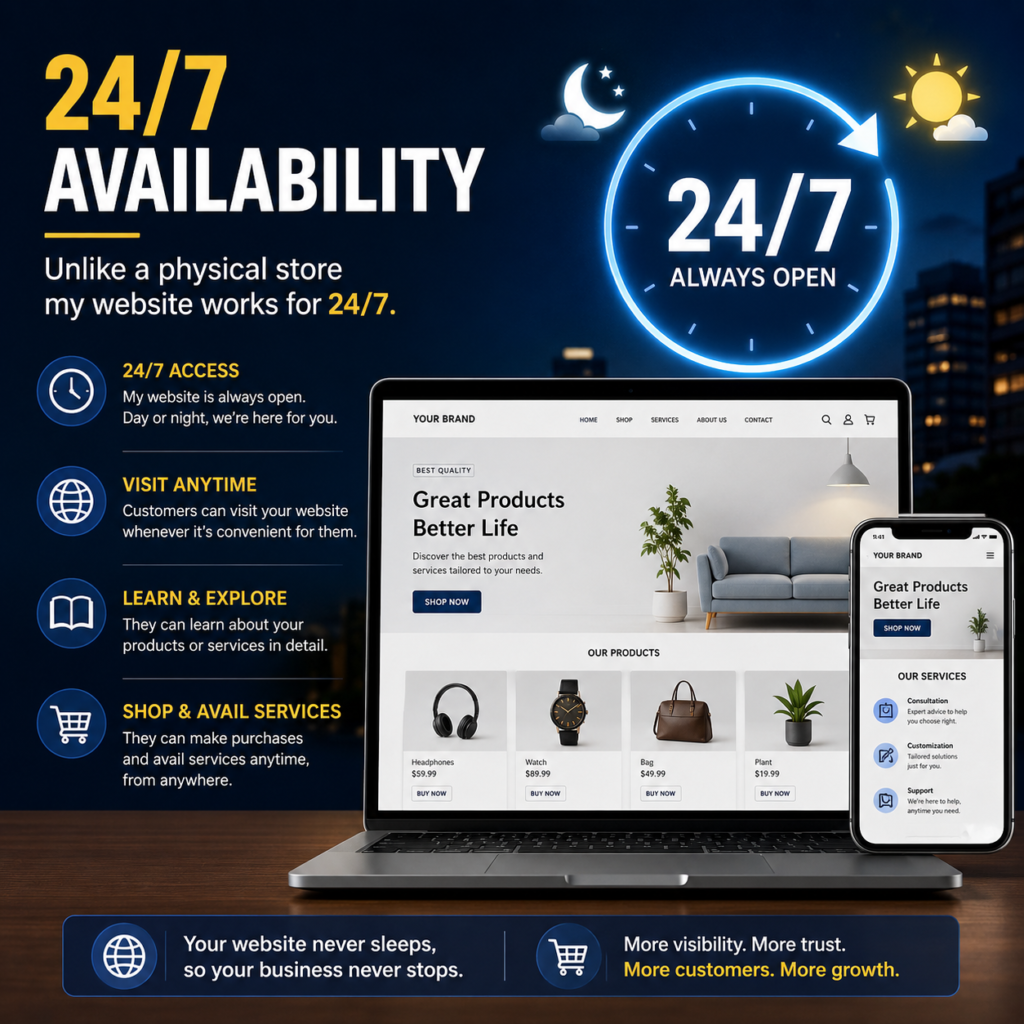
A website acts as the digital face of a business. It helps customers understand who you are, what services you provide, and why they should choose you over competitors. Unlike traditional physical stores that operate for limited hours, a website works 24 hours a day, 7 days a week. Customers can visit anytime, browse products or services, contact the business, and even make purchases without any restrictions. This constant availability creates convenience for customers and increases opportunities for sales.
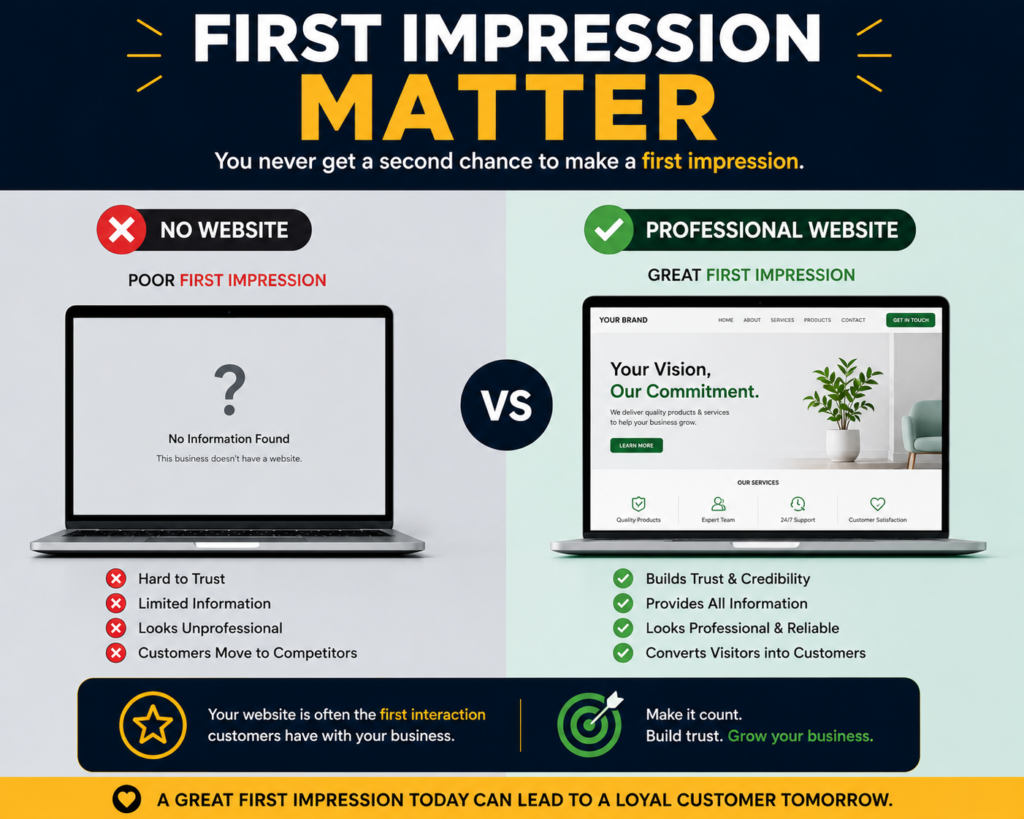
One of the biggest advantages of a website in 2026 is credibility. Modern customers trust businesses that have a professional online presence. A website with clear information, customer reviews, photos, and contact details builds confidence and creates a positive first impression. Businesses without websites often appear less professional or outdated in comparison.
Another major benefit is global reach. A physical shop is limited to a specific location, but a website allows businesses to reach customers from different cities, states, and even countries. Small businesses now have the ability to compete with larger brands because the internet creates equal opportunities for visibility and growth.
Websites also play a key role in digital marketing. Social media platforms like Instagram and Facebook help attract attention, but a website is where visitors become customers. Businesses can run advertisements, publish blogs, improve search engine rankings, and collect customer inquiries directly through their websites. In addition, search engines like Google prioritize businesses with websites, helping them appear in local and global searches.
In 2026, mobile usage continues to dominate internet activity. Most customers browse websites through smartphones, making mobile-friendly websites extremely important. A responsive website ensures that users can access information easily from any device, improving customer experience and engagement.
Automation is another reason why websites are essential. Modern websites can handle bookings, appointments, online payments, customer support, and inquiries automatically. This reduces workload, saves time, and improves efficiency for businesses. Customers appreciate quick responses and smooth online experiences, which directly increases customer satisfaction.
Furthermore, websites help businesses build their brand identity. Through design, content, images, and storytelling, businesses can communicate their vision and values to their audience. A well-designed website creates a memorable experience and strengthens brand recognition.
The business landscape in 2026 is highly competitive and digitally driven. Customers expect businesses to be online, accessible, and informative. Without a website, businesses risk losing potential customers to competitors who have established a stronger digital presence.
In conclusion, a website is no longer optional for businesses in 2026 — it is a necessity. It increases credibility, improves customer accessibility, supports marketing efforts, automates operations, and helps businesses grow beyond physical boundaries. Companies that invest in a strong online presence today are building the foundation for long-term success in the future.